November 20, 2025
How to Calculate Food Cost
Knowing how to calculate food cost is the difference between running a restaurant and reacting to one.
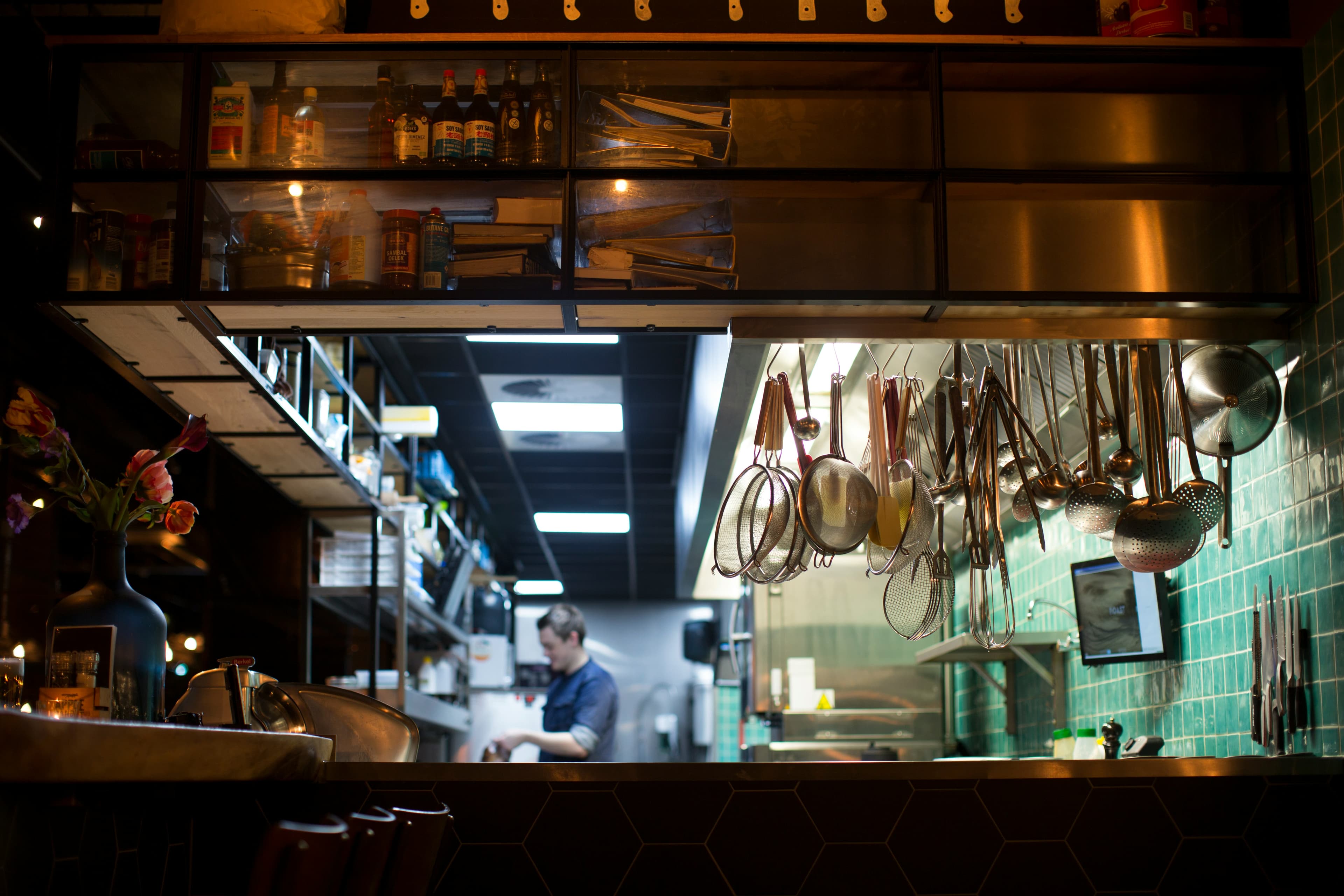
How to Calculate Food Cost
Knowing how to calculate food cost is the difference between running a restaurant and reacting to one.
Most margin problems are not caused by slow sales.
They come from food cost you never clearly measured.
Once you calculate it properly, profit stops being a mystery.
What Calculating Food Cost Actually Means
To calculate food cost means measuring what ingredients truly cost you and comparing that number to what you sell.
This is not about estimates or averages.
It’s about using real numbers from your menu and invoices.
The outcome is practical.
You can price with intent and spot margin leaks early.
The Food Cost Calculation Formula
At its core, food cost calculation uses one formula:
Food Cost Percentage = (Food Cost ÷ Food Sales) × 100
Everything else is just getting the right inputs.
If your inputs are wrong, the result is wrong.
That’s why most operators think they know their food cost but don’t.
Step 1: Calculate the Cost of a Menu Item
Start at the menu level.
This is where profit is made or lost.
List every ingredient that goes into one dish and its cost per portion.
Example: Burger Plate Cost
| Ingredient | Cost per Portion |
|---|---|
| Bun | $0.50 |
| Beef patty | $1.80 |
| Cheese | $0.40 |
| Toppings | $0.30 |
Total food cost per plate: $3.00
This number must be based on current supplier prices and real portion sizes.
Guessing here breaks everything downstream.
Step 2: Compare Plate Cost to Menu Price
Now compare the plate cost to what you sell the item for.
If the burger sells for $10:
$3.00 ÷ $10.00 = 0.30
0.30 × 100 = 30% food cost
This tells you the item is priced sustainably.
If that same burger sells for $8, the food cost jumps to 37.5%.
That difference alone can erase profit.
Step 3: Calculate Overall Food Cost
Once menu items are costed, you can calculate total food cost.
Add up all food sales for a period.
Add up the food cost used to generate those sales.
Weekly Example
- Food sales: $5,000
- Food cost: $1,750
$1,750 ÷ $5,000 = 0.35
0.35 × 100 = 35% food cost
This number shows how much of your revenue is consumed by food.
What a “Good” Food Cost Percentage Looks Like
There is no universal perfect number.
Most full-service restaurants aim for 28–35%.
Quick service is often lower.
Concept, menu mix, and pricing all matter.
What matters more than the target is control.
Consistent food cost means predictable margins.
Common Mistakes When Calculating Food Cost
Ignoring Portion Sizes
Even small over-portioning destroys accuracy.
A few extra grams per plate multiplied across a week adds up fast.
If portions aren’t controlled, food cost is a guess.
Using Old Supplier Prices
Invoices change quietly.
If costs are not updated, calculations look correct but aren’t.
This is how margins erode without warning.
Calculating Too Infrequently
Food cost is not a one-time setup task.
You should recalculate when prices change, menus change, or portions change.
Otherwise you’re managing yesterday’s numbers.
Why Manual Spreadsheets Break Down
Spreadsheets require constant updating and discipline.
One missed price change or formula error makes the entire sheet unreliable.
Most operators stop trusting them and stop checking.
That’s when intuition replaces calculation, and margins suffer.
The Practical Next Step
Calculating food cost is simple in theory.
The challenge is doing it accurately and consistently.
If you want to calculate food cost for your own menu without spreadsheets or guesswork, use the free food cost calculator at FoodCosting.app.
Once your numbers are clear, pricing decisions get easier and profit becomes measurable.