May 5, 2026
Burger Cost Calculation: How to Price a Burger With Real Ingredient Costs
Burger cost calculation only works when the beef yield is accurate and premium toppings are costed separately. This guide shows the real math.
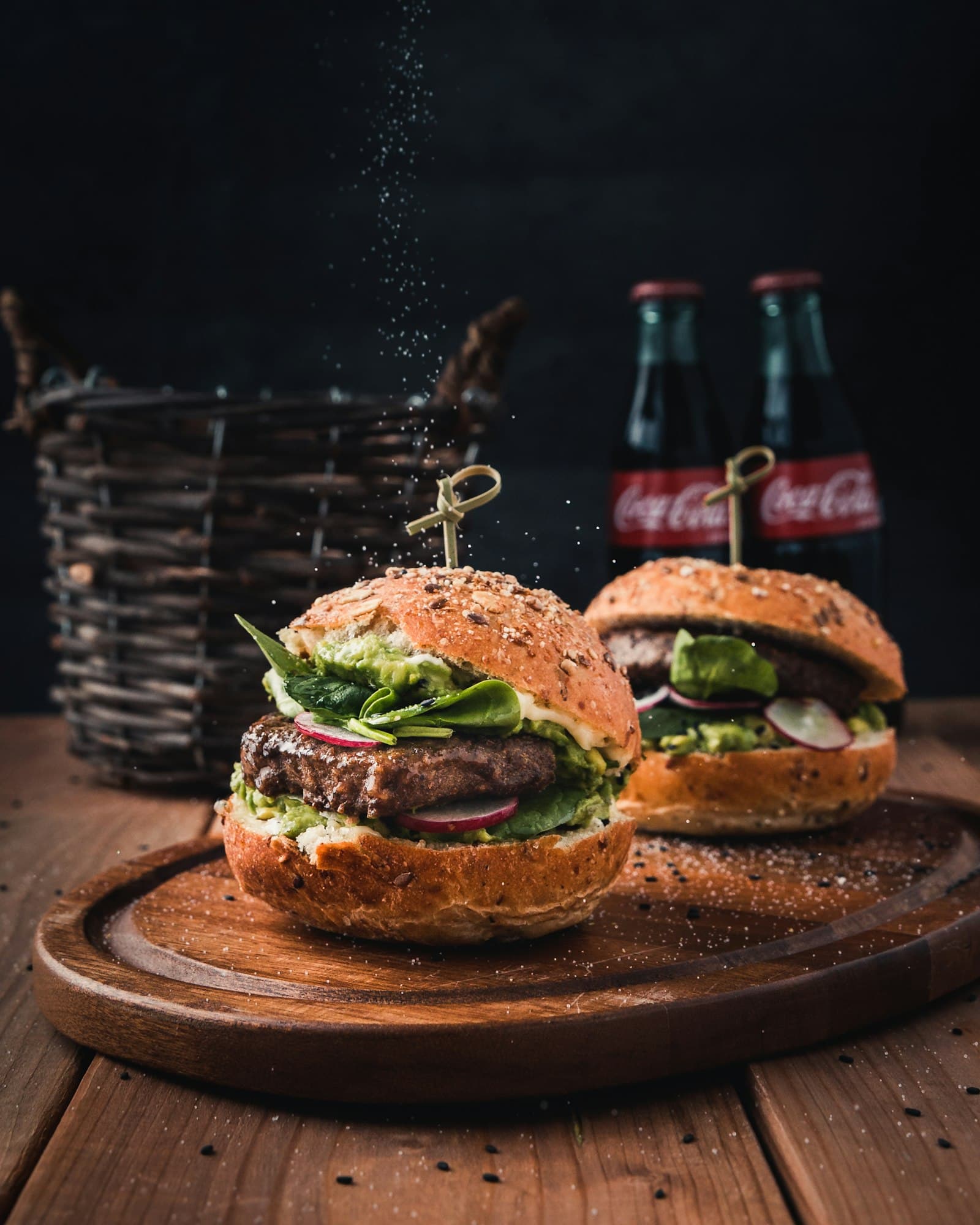
Most burger operators do not lose margin on the formula. They lose it on the inputs. The burger gets priced off a rough beef number, the patty shrinks more than expected on the grill, a premium topping gets added without being recosted, and suddenly the best-seller on the menu is carrying the weakest margin. This guide shows how to calculate burger cost properly, using current cost data, with the two places operators most often get it wrong: yield and premium toppings.
💡 The mistake that matters most: If your menu promises a 6 oz cooked burger, you cannot cost 6 oz raw beef and call it accurate. Yield changes the whole calculation.
What burger cost calculation actually means
Burger cost calculation is the total ingredient cost of one burger at the portion that is actually served. Not the cost of a box of patties. Not the rough cost of "a burger and some toppings." The cost of one finished burger, built the way the guest receives it.
That means three things have to be true:
- the beef cost is based on the real cooked serving size
- the toppings are costed at actual portion size, not guessed
- the costs are based on current prices, not what the item cost three months ago
If any of those are wrong, the menu price is being built on fiction.
Start with current cost data, not memory
For this example, I used March 2026 U.S. retail averages from the Bureau of Labor Statistics as a public benchmark:
| Ingredient | Benchmark cost |
|---|---|
| Ground chuck | $6.68/lb |
| White bread | $1.81/lb |
| American cheese | $4.78/lb |
| Iceberg lettuce | $1.72/lb |
| Tomatoes | $2.26/lb |
| Bacon | $6.80/lb |
Those are not a substitute for your own supplier invoices. They are a benchmark. Your actual burger cost should always be built from the prices you are really paying right now.
The yield problem most burger costing misses
This is where burger math usually breaks.
USDA cooking-yield data shows a 69% yield for a broiled or grilled medium-fat ground beef patty. In plain English: you do not keep all the raw weight you buy. Fat and moisture cook out.
So if your menu promises a 6 oz cooked patty, you need around 8.7 oz raw beef to serve it.
Here is the math:
| Yield input | Value |
|---|---|
| Ground chuck cost | $6.68/lb = about $0.42/oz |
| Raw beef needed for a 6 oz cooked patty at 69% yield | 8.7 oz |
| Beef cost per burger | About $3.63 |
That one line is where a lot of burger shops underprice the item. If you cost that burger as if it only used 6 oz raw, the beef looks closer to $2.51. That understates the beef cost by about $1.13 per burger before you even count bun, cheese, or toppings.
⚠️ Watch out: A burger that looks profitable on paper can be losing over a dollar per sale if the patty is costed on raw portion instead of cooked yield.
Example: calculate one cheeseburger step by step
Let us cost a simple cheeseburger using the public benchmark prices above.
| Component | Cost |
|---|---|
| Beef for a 6 oz cooked patty | $3.63 |
| Bun (2 oz allocation) | $0.23 |
| Cheese slice (0.75 oz allocation) | $0.22 |
| Lettuce (0.5 oz) | $0.05 |
| Tomato (1 oz) | $0.14 |
| Base burger cost | $4.28 |
If that burger sells for $12.50, the food cost is:
4.28 / 12.50 x 100 = 34.2%
That is already above the 30% target many operators aim for on a high-volume burger item.
To price that same burger at a 30% food cost target:
4.28 / 0.30 = $14.26
That is the real value of burger cost calculation. It tells you whether the current menu price is protecting margin or just keeping the item busy.
Premium toppings are where burger margins quietly disappear
The second problem is not the base burger. It is what gets added after the original price was set.
Using the same March 2026 benchmark data:
| Premium add-on | Cost |
|---|---|
| Bacon (0.6 oz allocation) | About $0.26 |
| Avocado (1/4 Hass avocado at $1.02 each) | About $0.26 |
Now the burger cost moves from $4.28 to $4.79 before sauce, packaging, or side allocation.
At that point:
- A
$12.50price puts the burger at 38.3% food cost - A
30%target would require a selling price of about $15.96
That is why premium toppings need their own costing logic. They are not cosmetic upgrades. They can move a burger out of target range on their own.
What to do if your burger cost is too high
Start with the patty spec. If the menu is written around a cooked weight, make sure the recipe and costing sheet are built from the raw weight needed to hit it.
Then check the premium stack. Bacon, avocado, extra cheese, specialty sauces, and onion jam all feel small in isolation. On a high-volume item, they add up fast.
Only after that should you revisit price. A burger that is correctly spec'd and still landing above target needs one of three fixes:
- reduce the cooked portion
- simplify the build
- raise the price
A short burger-cost check you can run this week
Three checks for burger operators
1. Weigh one patty raw and one patty cooked. If the menu is sold on cooked weight, cost from the cooked spec backward. 2. Recost every premium add-on separately instead of folding them into one vague "toppings" number. 3. Recalculate the final burger price at your actual target food cost, not the number you hope it is hitting.Calculate your burger cost with current numbers
Burger cost calculation is simple once the inputs are honest. The hard part is keeping the numbers current and portion-based.
If you want to test your own burger build with real ingredient costs, use the free calculator at foodcosting.app. Enter the actual beef weight, bun, cheese, toppings, and selling price, and it will show you the true food cost before the margin disappears quietly.